- Product
Fibre Laser
Contact Information
- +6012-959 5616
- sales@oripack.com.my
Fibre (DIKAI / Squid Ink)
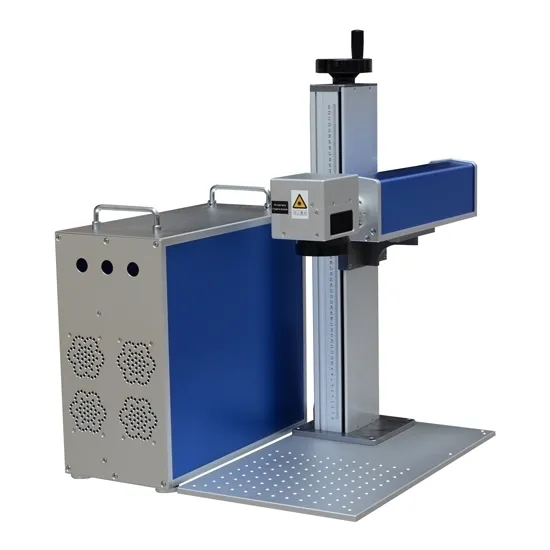
A Fibre Laser Coding System is a high-precision, non-contact marking solution designed for permanent coding on robust materials. Unlike inkjet printers, it uses a solid-state laser source to “etch” or “ablate” the surface of the product, creating high-contrast codes (like QR codes, serial numbers, or logos) that cannot be rubbed off or faded by chemicals.
Key Features & Design
Fibre lasers are specifically engineered for hard substrates where CO2 lasers might struggle.
- Substrate Versatility: Excels on stainless steel, aluminum, carbon fiber, and high-density plastics.
-
Compact Footprint: Modern designs often feature a modular “scan head” that fits easily into tight production lines.
-
High-Resolution Optics: Capable of producing microscopic, razor-sharp text and complex 2D data matrices.
-
Solid-State Technology: No moving parts within the laser source itself, making it highly resistant to vibration and industrial dust.
Operational Efficiency
In a high-speed production environment, fibre lasers are built to “set it and forget it.
- Zero Consumables: There is no ink to refill, no filters to change, and no makeup fluid to manage. This eliminates downtime related to fluid spills or clogged printheads.
- High Speed: Capable of marking thousands of characters per second, keeping pace with the fastest beverage or automotive assembly lines.
- Low Maintenance: The laser source typically has a lifespan of 100,000+ hours (roughly 10-15 years of standard operation) before requiring significant service.
Cost Benefits
While the initial purchase price of a laser is higher than an inkjet (CIJ) system, the Total Cost of Ownership (TCO) is significantly lower over time.
- Consumables: Zero
- Labor: Minimal (Software-based)
- Parts: Long-life diode source
- Environmental: Clean, fume-extracted process