
- Product
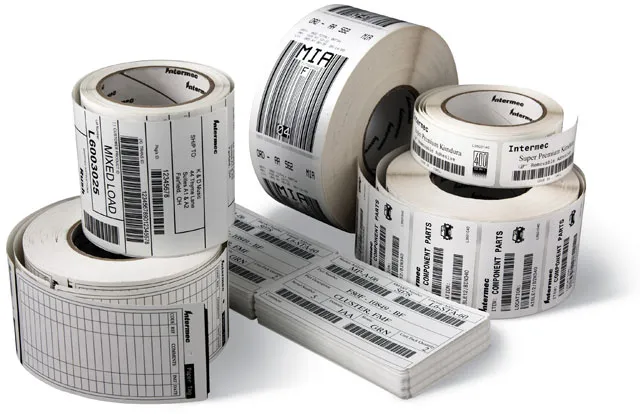
Barcode Label
Contact Information
- +6012-959 5616
- sales@oripack.com.my
Barcode Label
A barcode label is a machine-readable optical representation of data. It serves as a “digital fingerprint” for items, allowing for instantaneous identification, tracking, and data collection through a simple scan, replacing manual data entry.
Key Features & Design
-
Symbology: Uses either 1D (linear bars) or 2D (like QR or Data Matrix) formats to store alphanumeric data.
-
Durability: Typically printed on thermal paper, polyester, or synthetic materials to withstand moisture, heat, or abrasion.
-
Adhesive Versatility: Designed with permanent, removable, or “all-temp” adhesives depending on the storage environment (e.g., freezers vs. retail shelves).
-
Human-Readable Text: Most designs include “eye-readable” characters below the bars as a backup in case the scanner fails.
Operational Efficiency
-
Speed: Scanning a barcode takes less than a second, compared to the several seconds required to type a serial number.
-
Error Reduction: The error rate for manual data entry is roughly 1 in 300 characters; for barcodes, it is approximately 1 in 3 million.
-
Real-time Tracking: Enables instant inventory updates and precise “Last Seen” location tracking within a warehouse or supply chain.
Cost Benefits
-
Labor Savings: Drastically reduces the man-hours required for inventory counts and check-out processes.
-
Inventory Accuracy: Prevents overstocking and “dead stock” by providing precise data on what is actually on the shelves, freeing up capital.
-
Low Implementation Cost: Once the system is set up, the cost per label is often fractions of a cent, making it one of the most cost-effective technologies in logistics.